Avoid your inquiry is delay response, please enter your WhatsApp/Skype along with the message, so we can contact you at the very first time.
We will reply you within 24 hours. If for urgent case, please add WhatsApp/WeChat: +86 16652801818,. Or call +86 16652801818 directly.
*We respect your confidentiality and all information are protected. We will only use your information to respond to your inquiry and will never send unsolicited emails or promotional messages.
Tight deadlines, strict budgets, and rough ground can stall any construction project. Pick the wrong construction machinery and delays pile up. Choose wisely and every crew moves faster, safer, and cheaper. Construction machinery—also called heavy equipment or heavy machinery—covers the machines that dig, lift, pave, drill, haul, and compact on a construction site. From excavator and loader to crane, bulldozer, roller, and grader, each piece of heavy machinery has a clear job. This guide explains equipment functions, sizes, and specs so you can match the right machine to your job.
Construction machinery is the backbone of the world’s building work. It includes heavy machines that dig earth, move loose materials, lift heavy loads, and finish surfaces. In 2025, smart sensors, clean power, and better hydraulic systems make gear safer and easier to run.
For buyers in construction industries, the big idea is simple: pick the machine that fits the task. Our Construction Equipment Manufacturing plant builds reliable, easy‑to‑use models for contractors, rentals, public works, and farms. We design around uptime, operator safety, and total cost.
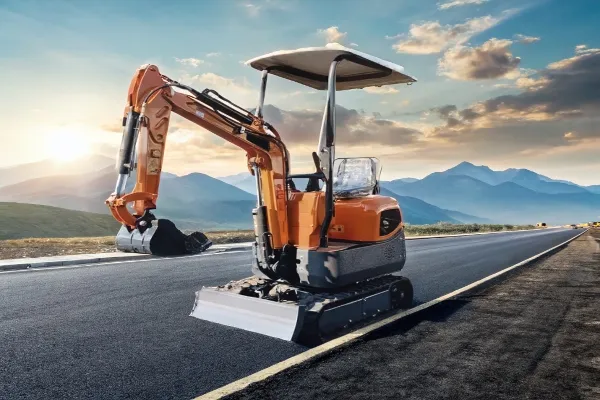
An excavator uses a boom, stick, and bucket to excavate trenches, basements, and footings. It uses hydraulic power for smooth digging and quick cycles. Pair it with trenchers for utilities or a concrete pump for pour‑ready sites.
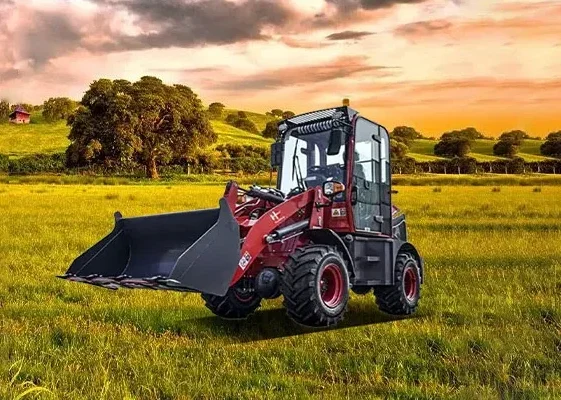
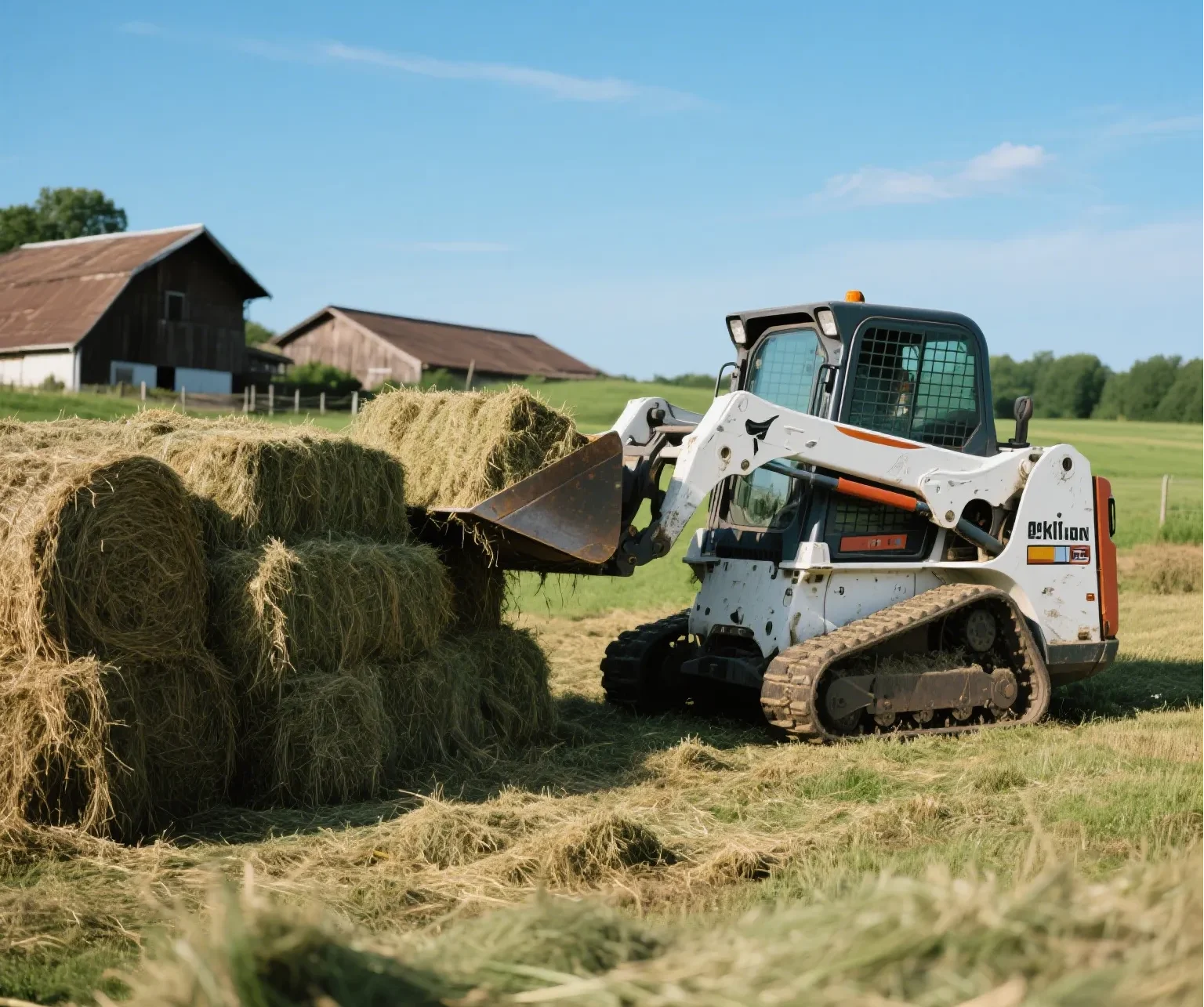
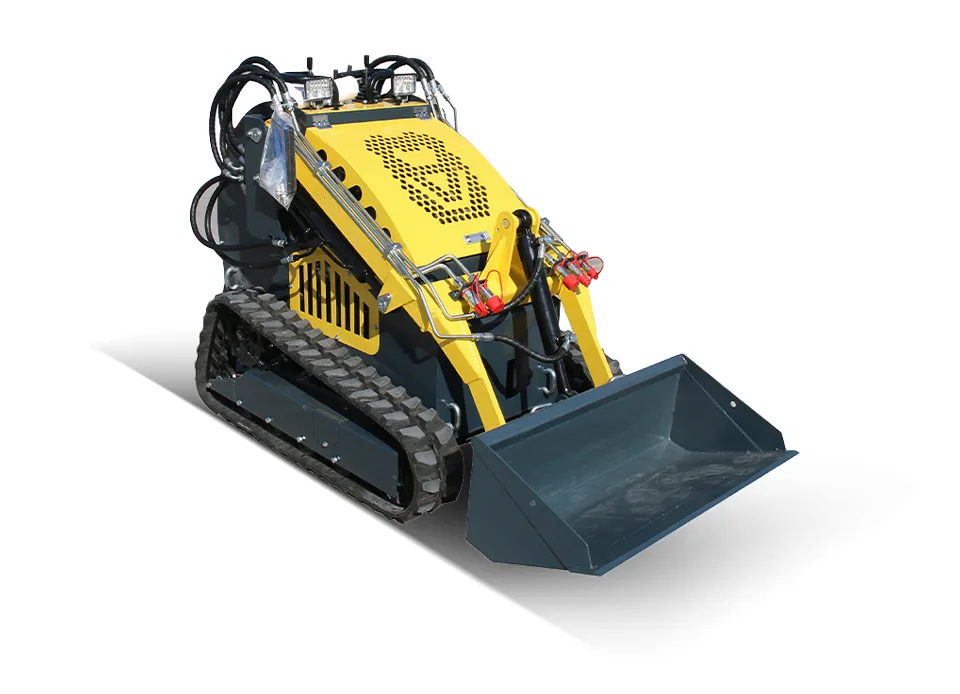
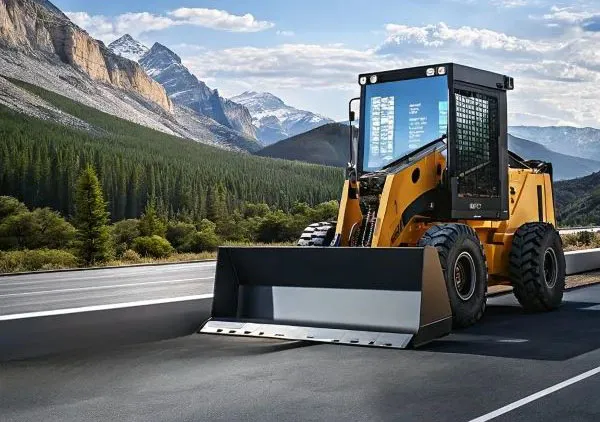
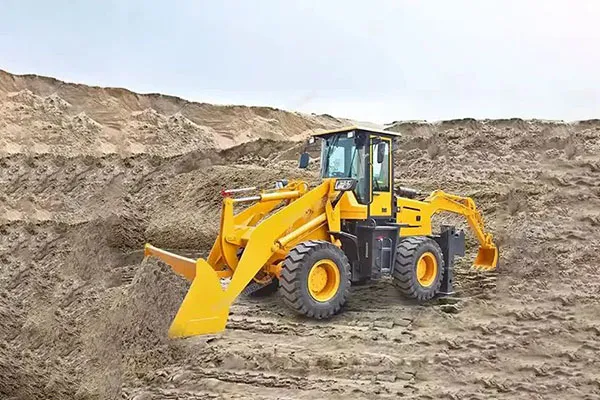
A loader lifts and carries soil and gravel. Wheel loaders handle truck loading and stockpiles fast. A compact skid steer is perfect for tight areas. A backhoe combines a front bucket with a rear hoe for all‑round tasks; modern backhoe loaders shine on road crews and farms.
Pro tip: List your top three construction tasks. Then size your machine to the biggest one—that avoids double buys later.
Earthmoving starts with a bulldozer. It pushes rock and soil, levels pads, and opens haul roads. A grader trims slopes to a fine finish so crews can pave and flatten to spec. Our dozer line includes compact dozers for tight pads and mid‑size models for big cuts.
Wheel loaders move stockpiles and feed plants. Match bucket size to material density. On steep or soft ground, consider compact track undercarriages for grip and ride.
A crane lifts steel, rebar, and panels high above the jobsite. A hoist moves crews and tools up towers. Work platforms and aerial work platforms give safe reach for cladding, signs, and glazing. All of these machines rely on strong booms and precise hydraulic control.
Pick capacities with margin. Wind, radius, and rigging all reduce charts. For roofing and prefab, add a handler (telescopic telehandler) to place pallets where trucks can’t.
Earthmoving starts with a bulldozer. It pushes rock and soil, levels pads, and opens haul roads. A grader trims slopes to a fine finish so crews can pave and flatten to spec. Our dozer line includes compact dozers for tight pads and mid‑size models for big cuts.
Wheel loaders move stockpiles and feed plants. Match bucket size to material density. On steep or soft ground, consider compact track undercarriages for grip and ride.
A roller and compactor create dense layers for long‑lasting roads. Good compaction saves money by preventing cracks. For road construction, asphalt crews rely on asphalt pavers that lay smooth mats before steel‑wheel rolling.
Plan the train: paver → first pass roller → finish roller. Even speeds and temperature control keep surfaces even and safe for traffic.
Quarries and pits rely on mining equipment that resists shock and dust. Off-highway haulers transport heavy rock from construction and mining sites to crushers. Giant hydraulic shovels and cable draglines load each hauler fast.
Brands like Caterpillar, Hitachi, Volvo, and SANY build proven fleets for harsh ground. For wet pits or rivers, a dredge clears channels. In remote areas, new energy trials add battery packs to some fleets.
A drill sets anchors and bores blast holes. Trenchers cut narrow slots for pipe. A shovel fills trucks or stockpiles. A concrete pump moves mix from trucks to forms fast and clean, cutting labor at the pour.
These tools share one secret: right sizing. Know the cut depth, soil type, and hose length. That way the equipment used stays efficient and safe.
Dump trucks and lowboys are used to transport machines and material from one site to another. A pallet handler sorts pallets and steel on decks. Plan routes for off-road moves and permits for bridges.
Smart routing avoids bottlenecks. Staging zones keep loose materials tidy. Good logistics make the whole construction site safer.
Daily greasing, fluid checks, and software updates extend life. Track hours, change filters on time, and keep pins tight. Good care keeps heavy-duty gear safe and ready.
Plan PMs around shifts. Stock filters and wear parts. Train crews to spot leaks or heat early—cheap fixes beat big failures.

 English
  Arabic
  Turkish
  Spanish
  Portuguese
  Russian