Чтобы избежать задержки ответа на ваш запрос, пожалуйста, укажите свой WhatsApp/Skype вместе с сообщением, чтобы мы могли связаться с вами в первый же момент.
Мы ответим вам в течение 24 часов. Если случай срочный, добавьте WhatsApp/WeChat: +86 16652801818,. Или позвоните +86 16652801818 напрямую.
*Мы уважаем вашу конфиденциальность, и вся информация защищена. Мы будем использовать вашу информацию только для ответа на ваш запрос и никогда не будем отправлять нежелательные электронные письма или рекламные сообщения.
Choosing the wrong forklift can raise fuel bills, slow warehouse work, and create costly downtime. For B2B buyers, the risk is bigger because every pallet matters. A well-matched electric forklift solves this with clean power, stable lifting, and lower daily running stress.
An electric forklift is worth it for many B2B buyers when indoor use, lower operating costs, quieter work, fewer emissions, and easier maintenance matter. The best choice depends on battery type, load capacity, hours of operation, warehouse layout, charging plan, and total cost of ownership.
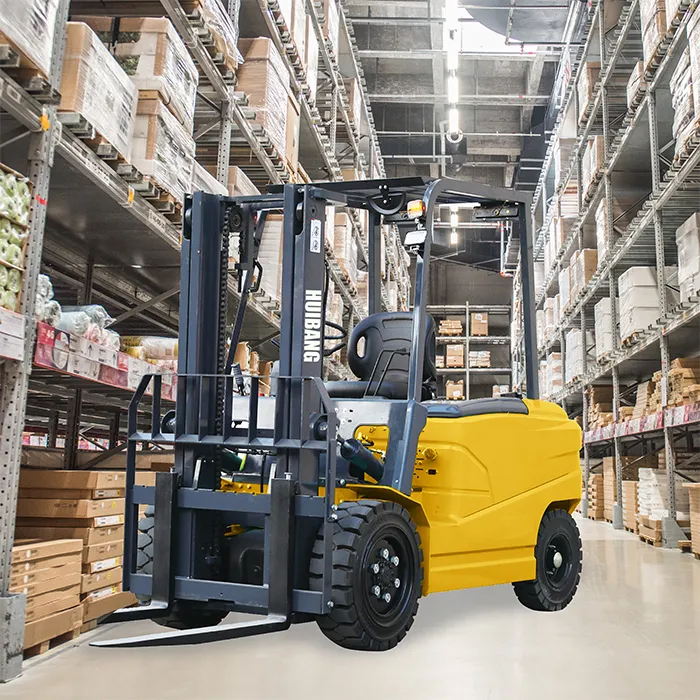
An electric forklift uses a battery and electric motor instead of an internal combustion engine. That means it does not burn diesel, gasoline, or LPG during daily operations. For many warehouse and logistics buyers, this is the first big reason to compare electric equipment with diesel forklifts and lpg forklifts.
Unlike internal combustion engine forklifts, an electric forklift usually has fewer moving parts. That can help reduce maintenance requirements over the life of the forklift. There is no engine oil change in the same way, no exhaust system to manage, and less vibration for the operator.
From our manufacturing view, the main difference is not only power source. It is the whole work environment. A good electric forklift must combine stable power delivery, strong braking, safe lifting, and practical battery access. When all these parts work well together, the machine becomes easier to use and more predictable for the operator.
For buyers who want to compare available models, Huibang’s new energy electric forklift range is a suitable starting point for B2B warehouse, logistics, and industrial buyers.
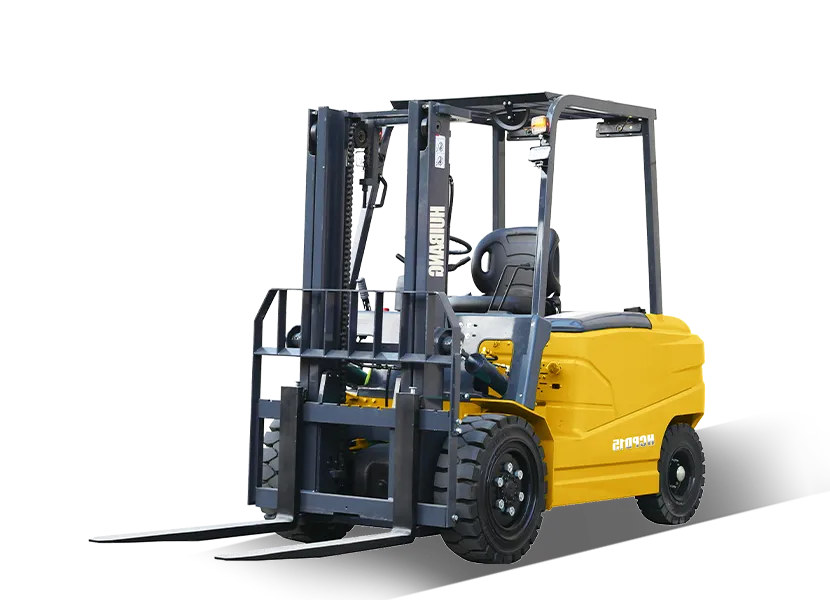
Electric forklift demand keeps growing because many warehouses or facilities need cleaner, quieter, and easier-to-control machines. In an indoor warehouse, fume control matters. OSHA notes that electric forklifts are commonly used indoors and are generally quieter and non-polluting compared with internal combustion forklifts, while still requiring proper battery safety management. You can review the safety background from OSHA Powered Industrial Trucks.
For warehouse and logistics operations, noise also matters. A quieter lift truck helps operators hear warnings, talk with team members, and work with less fatigue. This is important in narrow aisles, multi-level racking areas, cold storage, manufacturing plants, and busy loading zones.
The advantages of electric forklifts become more obvious when your team handles repeat pallet movement. The machine starts quickly, accelerates smoothly, and gives steady control in short travel cycles. It feels simple. And simple is good when many operators share one forklift across different shifts.
The battery is the heart of an electric forklift. A weak battery can reduce working time, lifting speed, and operator confidence. A strong battery system supports longer battery life, stable voltage, and more reliable daily use.
When we help buyers compare models, we do not only ask, “How much can the forklift lift?” We also ask, “How long does each shift run? How many breaks are available? Is there a charging room? Does the buyer need fast charging or battery replacement?” These questions shape the correct forklift battery choice.
Battery technologies have improved, but the basic rule stays the same: the battery must match the work. A light-duty warehouse may use one charging plan. A busy three-shift logistics center may need another. The best fit depends on load weight, travel distance, lift height, charging time, and service support.
Lead-acid batteries have been used in electric forklift trucks for many years. They are familiar, widely available, and often lower in initial price. However, they may require watering, charging rooms, ventilation, and more careful handling. They can work well when the warehouse has clear charging time between shifts.
Lithium-ion batteries cost more at the start, but they can support faster opportunity charging, lower routine service needs, and better energy efficiency in many operations. Lithium-ion forklifts are often a strong choice for busy warehouses that want less downtime and more flexible charging.
Yes, modern electric forklifts can handle many heavy-duty material handling tasks, but buyers must choose the correct load capacity and structure. Small warehouse machines are not the same as powerful industrial models. A good counterbalance forklift must stay stable when lifting, turning, and traveling with a loaded pallet.
For example, the Электрический вилочный погрузчик HCPD35 is designed for heavier warehouse and logistics operations. It is positioned for buyers who need stronger lifting, stable load handling, and reliable electric power for demanding work.
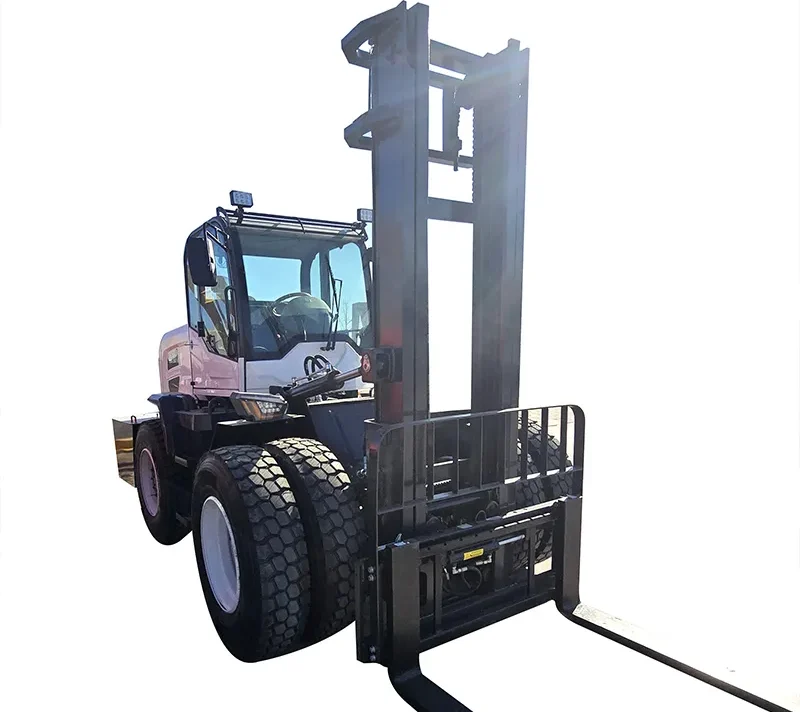
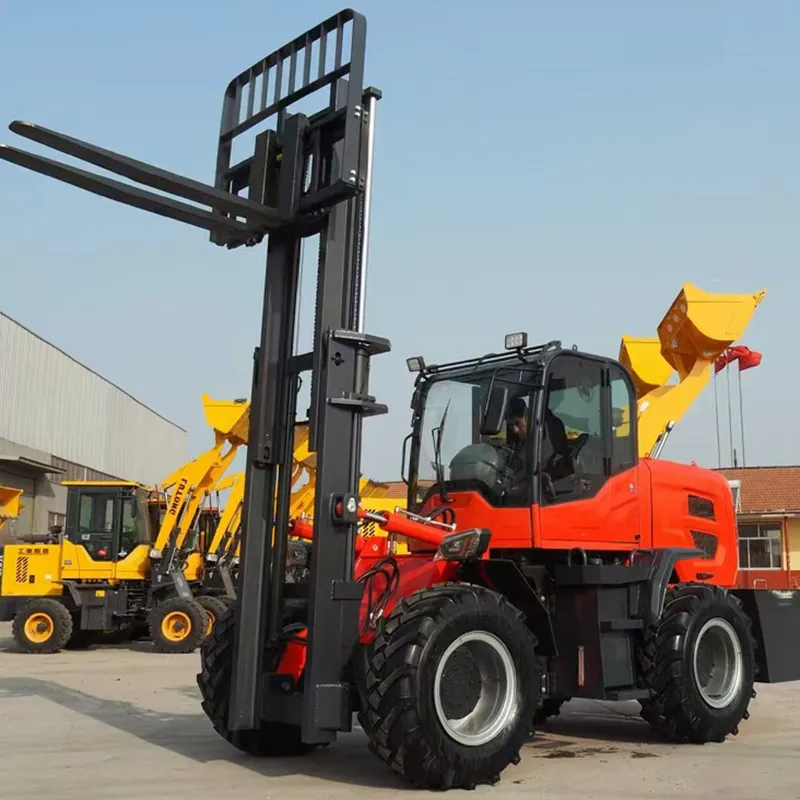
Still, electric does not mean “one size fits all.” If your site is outdoors on rough ground, a diesel model or rough-terrain forklift may still be better. If your site is indoor, paved, and focused on clean pallet movement, an electric forklift can be a strong choice. The work decides the machine.
For buyers who need both indoor and outdoor material handling choices, Huibang’s material handling equipment category shows electric, diesel, and rough-terrain options for different working conditions.
Productivity comes from speed, control, and less waiting. An electric forklift can improve productivity because the operator gets smooth acceleration, quick response, and easy control in tight warehouse aisles. This is especially useful in high-frequency pallet movement.
Safety features also matter. A good electric forklift should include reliable braking, stable mast design, clear visibility, warning lights, backup alarms, and operator-friendly controls. These features help reduce risk when the machine works near people, racks, doors, and trucks.
Electric forklifts can also improve the work environment. Less fume, less noise, and smoother operation can make long shifts easier. Workers notice this. Managers notice it too. Over time, a better workplace can support better performance and fewer mistakes.
A new electric forklift is usually better when you need warranty support, stable performance, updated safety features, and predictable service life. New electric forklifts are also easier to match with the right battery, charger, mast, and fork size from the beginning.
A used electric forklift may save money at first. But buyers must inspect the battery condition, mast wear, hydraulic leaks, controller status, tire condition, brake function, and service records. The battery is especially important because battery replacement can be expensive.
For distributors, rental companies, and government tenders, a new forklift often reduces risk. For small warehouses with lighter work, a well-checked used electric forklift may still make sense. But do not buy used only because the price looks attractive. Check the real working condition first.
Before purchasing an electric forklift, B2B buyers should check the key factors that affect daily use. These include load capacity, lift height, aisle width, battery type, charging plan, mast design, tire type, controller quality, safety features, and spare parts support.
Here is a practical buyer checklist:
Choosing the right model is easier when you share real work data with your supplier. Tell them your material type, pallet weight, shift length, road surface, lift height, and use frequency. A reputable forklift dealer or manufacturer should help you match the machine to the job, not just sell the largest model.
For medium-duty warehouse buyers, the HCPD30 electric forklift is a useful reference model. For narrow aisles and lighter indoor work, the Электрический вилочный погрузчик HCPD15 may better match compact warehouse conditions.
A reliable manufacturer does more than provide a machine. It helps you compare work needs, power systems, battery options, load capacity, and service plans. This is important for construction contractors, farmers and agri dealers, landscaping and forestry companies, machinery rental companies, and government/public tenders.
As a construction equipment manufacturing plant, we focus on durability, reliability, ease of use, practical features, and the strength of the power system. For electric forklift buyers, that means stable frame design, easy service access, strong battery matching, and human-centered operation.
Huibang’s complete construction equipment product range includes forklifts, loaders, excavators, tractors, telehandlers, and other machines for mixed fleets. This helps B2B buyers plan more than one machine at a time, especially when warehouse, yard, farm, and jobsite tasks overlap.
Imagine a warehouse that moves finished goods from production to storage and then to outbound trucks. The team uses forklifts all day. The old diesel units are strong, but the indoor noise, fume, and maintenance schedule create pressure. Operators complain. Managers see delays.
The buyer studies switching to electric. The warehouse runs two shifts, with planned breaks. After checking pallet weight, aisle width, lift height, and charging space, the team chooses electric forklift models with suitable battery capacity and fast support from the supplier.
The result is not magic. It is practical. The warehouse becomes quieter. Operators control the machines more smoothly. Daily maintenance becomes simpler. Fuel storage is no longer part of the indoor plan. Most important, the company reduces operating costs while keeping stable productivity.
That is where electric forklift buying makes sense: when the machine matches the real work and the supplier supports the full use cycle.
Yes, an electric forklift is often worth it for warehouse buyers who need clean indoor use, lower operating costs, quieter work, and easier maintenance. The value is strongest when the battery, charger, and load capacity match daily operations.
Battery lifespan depends on battery type, charging habits, workload, temperature, and maintenance. Lead-acid batteries need more routine care, while lithium-ion batteries usually offer easier charging and lower daily maintenance needs.
Lithium-ion forklifts are often better for busy, multi-shift warehouses because they support faster charging and less routine battery care. Lead-acid batteries may still work well for buyers with lower daily use and planned charging time.
Electric forklifts can replace diesel forklifts in many indoor and paved warehouse operations. However, diesel may still be better for rough outdoor terrain, remote sites, very long shifts without charging access, or extreme heavy-duty work.
Check load capacity, lift height, aisle width, battery type, charging plan, safety features, tire type, service access, and supplier support. Also calculate total cost of ownership instead of only comparing purchase price.
A used electric forklift can be a good choice if the battery, mast, hydraulics, brakes, controller, and service history are in good condition. Buyers should inspect carefully because battery replacement and hidden repairs can reduce the saving.

 Russian
  English
  Arabic
  Turkish
  Spanish
  Portuguese