Avoid your inquiry is delay response, please enter your WhatsApp/Skype along with the message, so we can contact you at the very first time.
We will reply you within 24 hours. If for urgent case, please add WhatsApp/WeChat: +86 16652801818,. Or call +86 16652801818 directly.
*We respect your confidentiality and all information are protected. We will only use your information to respond to your inquiry and will never send unsolicited emails or promotional messages.
Delayed pours, uneven mixes, and the wrong truck size can slow down a project fast. That means wasted labor, wasted fuel, and concrete that may not perform as planned. The right concrete mixer truck helps contractors move faster, pour better, and keep every job site on schedule.
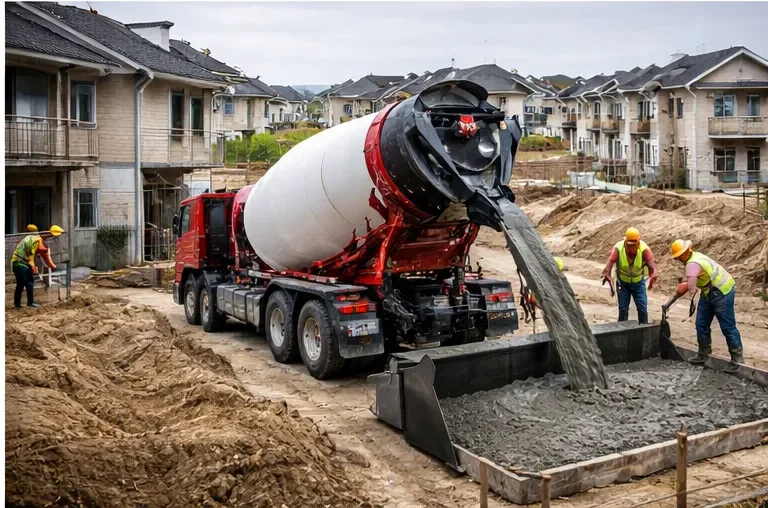
A concrete mixer truck is a specialized vehicle that transports and continuously mixes concrete in a rotating drum so the material stays workable from plant to pour point. The best truck depends on your project size, access conditions, discharge needs, and whether you need standard ready mix concrete delivery, volumetric concrete, or a more rugged self-loading solution for remote work.
A concrete mixer truck is built to transport wet concrete while the drum keeps turning. That turning action helps prevent separation of the mix and keeps the material usable until it is discharged through the chute. Huibang describes its mixer trucks as using rotating drum technology to maintain concrete consistency during transit, which is exactly what contractors need when timing matters.
In simple terms, the mixer does two jobs at once. It helps transport and mix the material. The drum rotation keeps the material from settling too much during travel, and the discharge system helps crews place the mix where it is needed. On most standard units, the mixing drum turns one way to keep material blended and the opposite way to move the concrete out through the discharge chute.
That is why a good mixer truck is not just a truck with a drum. It is a mobile production link between batching and pouring.
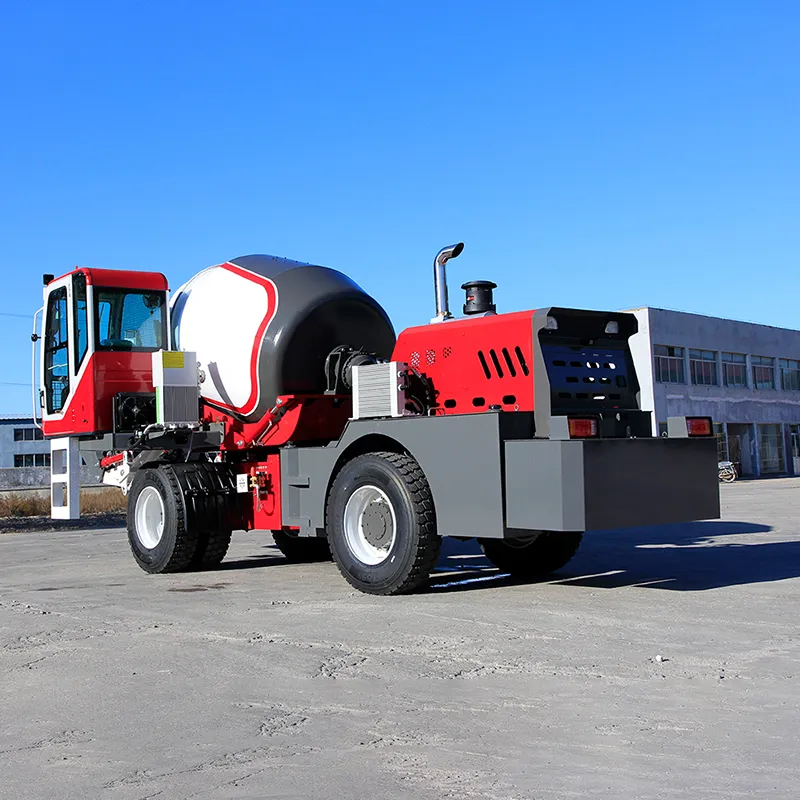
Almost every large concrete pour depends on speed, timing, and mix consistency. A strong mixer truck supports all three. Huibang’s construction-focused articles say mixer trucks are essential because they improve site productivity, maintain concrete quality during transport, and help reduce labor delays across residential, commercial, and infrastructure work.
For many construction projects, the cost of late or poorly handled concrete is high. Crews, pumps, forms, and finishers are all waiting. If the truck arrives late, the whole sequence can slip. If the mix is off, waste rises. That is why contractors, rental fleets, and public project buyers often look beyond initial price and ask deeper questions about drum design, chassis strength, powertrain, and discharge control. Huibang’s product copy emphasizes reinforced steel chassis, heavy-duty axles, and reliable mixing for demanding work environments.
A well-matched concrete truck protects schedule, labor, and material quality. It also gives buyers more confidence when bidding tight-deadline work.
This is a common buyer question. A standard concrete mixer truck usually carries already batched wet concrete. A volumetric system stores raw materials separately and mixes them at the job. That means a volumetric mixer can change the amount more easily and is often attractive for smaller jobs or situations where mix quantity is uncertain.
By contrast, standard ready mix delivery is often the better choice for repetitive pours, urban supply routes, and larger placements where the batching plant controls consistency. That is why the ready mix industry still depends heavily on conventional rotating drum trucks. They are efficient, proven, and easy to integrate with daily dispatch planning.
So the choice is not about one being good and one being bad. It is about project logic:
When people search trucks for sale, they often start with price and photos. I think that is the wrong order. The smarter approach is to check five things first:
Huibang as a direct China manufacturer with a broad machinery line that includes self-loading mixers, loaders, mini excavators, forklifts, and tractors. That matters because buyers in construction, agriculture, rental, and tender procurement often prefer suppliers with broader manufacturing capability and clear export support rather than only a trading listing.
Therefore, it is not enough to merely inquire about the model of the equipment, ask whether the supplier understands your pour method, your access roads, and your maintenance reality.
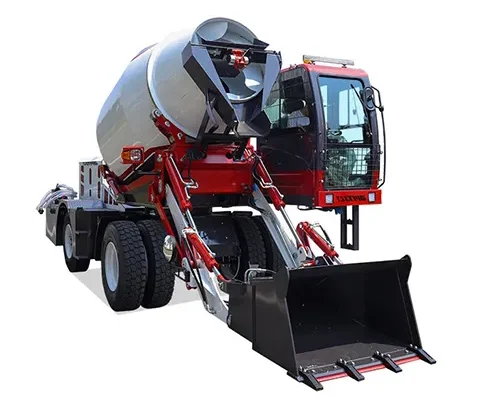
In the construction industry, equipment buying is never just about one truck. It is about supply continuity, support speed, documentation quality, and whether the seller understands real project conditions. Huibang’s site presents the company as a professional high-performance machinery manufacturer in China, with products ranging from loaders and excavators to self-loading mixers, forklifts, and tractors.
That matters because your target buyer types do not buy like casual shoppers. Construction Contractors care about uptime. Farmers and agri dealers care about rugged utility. Landscaping and forestry firms care about flexibility. Machinery rental companies care about durability and ease of use. Government and tender buyers care about reliability, support, and clear specifications. A manufacturer that understands those priorities is easier to work with over the life of the machine.
A good concrete mixer supplier should not just sell the truck. The supplier should understand how trucks use fuel, how drums wear, how crews clean after pour cycles, and how local working conditions shape the best machine choice.
The best setup depends on your daily pattern.
From what Huibang publishes, its strongest fit is with buyers who need heavy-duty, durable, self-loading or project-ready trucks for demanding conditions rather than only conventional urban delivery. That is a strong angle for contractors working in rural roads, mining support, agriculture, and incomplete infrastructure zones.
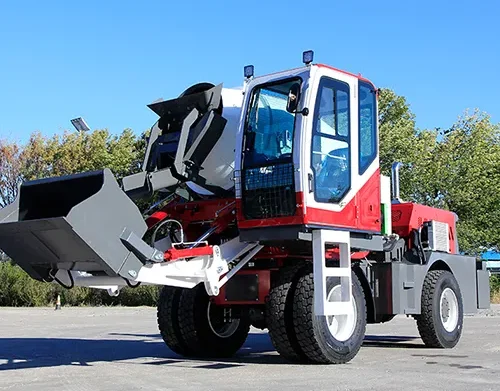
A concrete mixer truck transports concrete while the rotating drum keeps the mix workable and more uniform until discharge. This helps reduce segregation and supports better placement at the site.
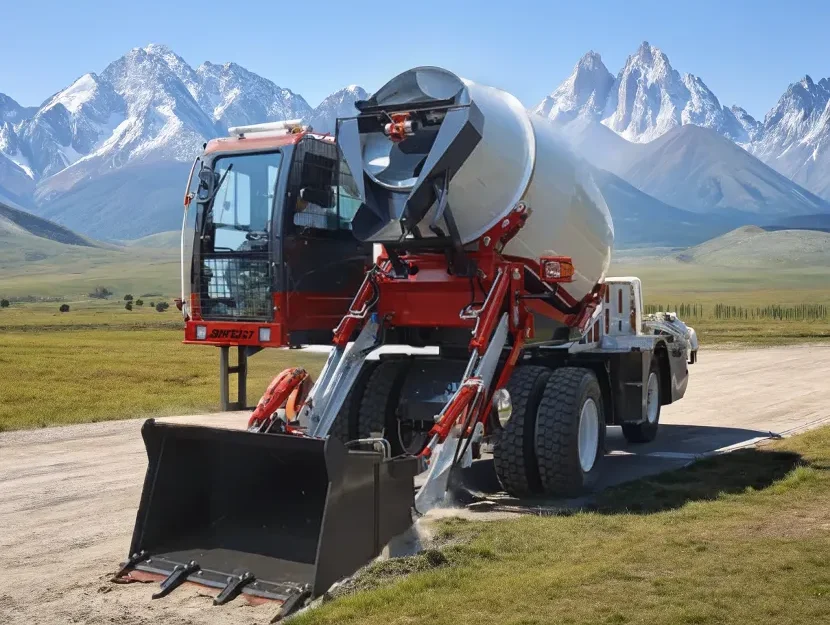
It depends on the job. For remote, rough, or undersupplied sites, self-loading trucks can be more practical because they combine loading, mixing, and transport in one machine. For regular plant dispatch, standard ready mix trucks may be more efficient.
That depends on project size, road access, and the pour plan. The best capacity is the one that matches your real cycle needs, not the biggest number on paper.
Volumetric concrete is mixed at the site from separate materials, while ready mix concrete is usually batched wet before transport and kept workable by drum rotation during delivery.
Yes, especially rugged self-loading trucks. Huibang specifically describes its mixer truck solutions as suitable for construction, mining, and agriculture, which makes them relevant beyond standard commercial concrete delivery.

 English
  Arabic
  Turkish
  Spanish
  Portuguese
  Russian